Brazil Serra Negra
Serra Negra is a mix of cultivars and has mellow cooked fruit and peanut butter flavors with winey acidity and sweetness.
Drip, Kalita Wave & Chemex.
Additional information
| Weight | N/A |
|---|---|
| Farm / Region | Minas Gerais |
| Tasting Notes | Medium Body, Nutty, Sweetness |
| Roast Level (Dot) | 3 |
From $18.50
Product Description
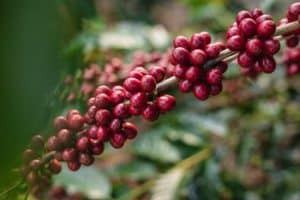
| Process | Natural |
|---|---|
| Variety | Bourbon, Catimor, Catuai, Maracaturra |
| Elevation | 750-1100 MASL |
| Country | Brazil |
| Harvest | May-August |
Serra Negra, or “black mountain” is a Brazilian profile that captures the most classic profile from Minas Gerais.
Country: Brazil Natural
It’s hard to imagine the “beginnings” of coffee in Brazil, as the two things have become so synonymous. The first coffee plants
were reportedly brought in the relatively early 18th century, spreading from the northern state of Pará in 1727 all the way down
to Rio de Janerio within 50 years. In 1820, Brazil was already producing 30 percent of the world’s coffee supply, but by 1920, it
accounted for 80 percent of the global total. Since the 19th century, the weather in Brazil has been one of the liveliest topics of
discussion among traders and brokers, and a major deciding factor in the global market trends and pricing that affect the
coffee-commodity market. Incidents of frost and heavy rains have caused coffee yields to wax and wane over the past few
decades, but the country is holding strong as one of the two largest coffee producers annually, along with Colombia. Brazil’s
post-harvest processing is also somewhat unique, and has been adopted largely in response to a combination of productivity,
climate, and desired profile: Pulped Natural and Natural processing still dominates the industry here. Pulped Natural coffees
are depulped and allowed to dry with their mucilage still intact; while Naturals are typically either dried on the trees before
harvesting (called Boya) or picked and laid out on patios in order to finish drying before being hulled. Both processes tend to
lend the coffees a nutty creaminess that has a more tempered fruit tone than the bright and acidic Washed or even Honey
coffees we see elsewhere from Mesoamerica.
Related products
-
Low Caffeine Blend
From $18.50 Choose Options This product has multiple variants. The options may be chosen on the product page -
Brazil Serra Negra Dark Roast
From $19.00 Choose Options This product has multiple variants. The options may be chosen on the product page -
Brazil yellow bourbon
From $19.00 Choose Options This product has multiple variants. The options may be chosen on the product page -
Roaster’s Choice Subscription
From $19.50 / month Choose Options This product has multiple variants. The options may be chosen on the product page